The Paperwork Error That Gave 900 Ghost Citizens Voting Rights and Nearly Broke Democracy
The Keystroke That Changed Everything
Somewhere in a government office building in Washington D.C., a tired census worker made a simple mistake. Instead of typing "127" for the population of Williston, North Dakota, they accidentally entered "1,127." It was the kind of minor clerical error that happens thousands of times during every census—except this particular typo was about to trigger the most surreal political crisis in American history.
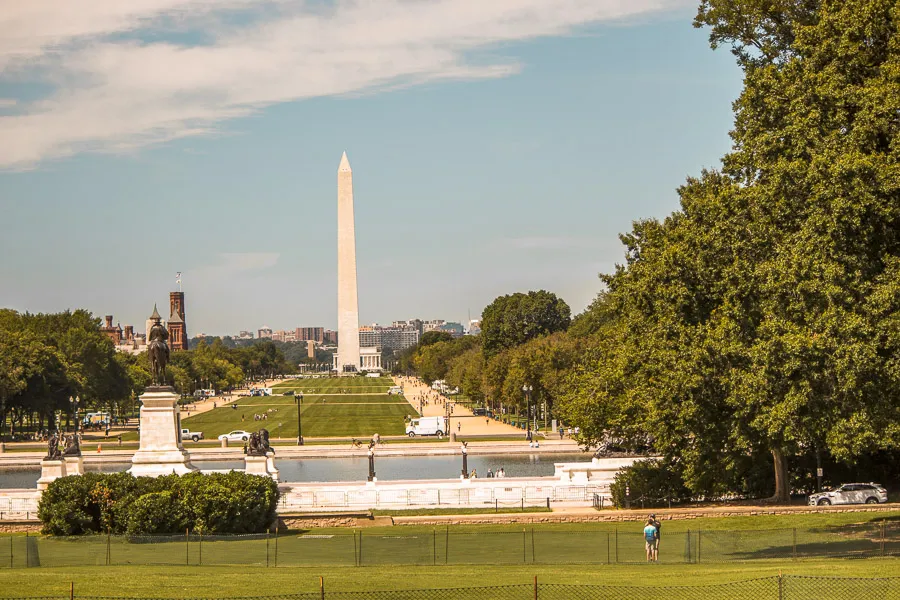 Photo: Washington D.C., via fernwehrahee.com
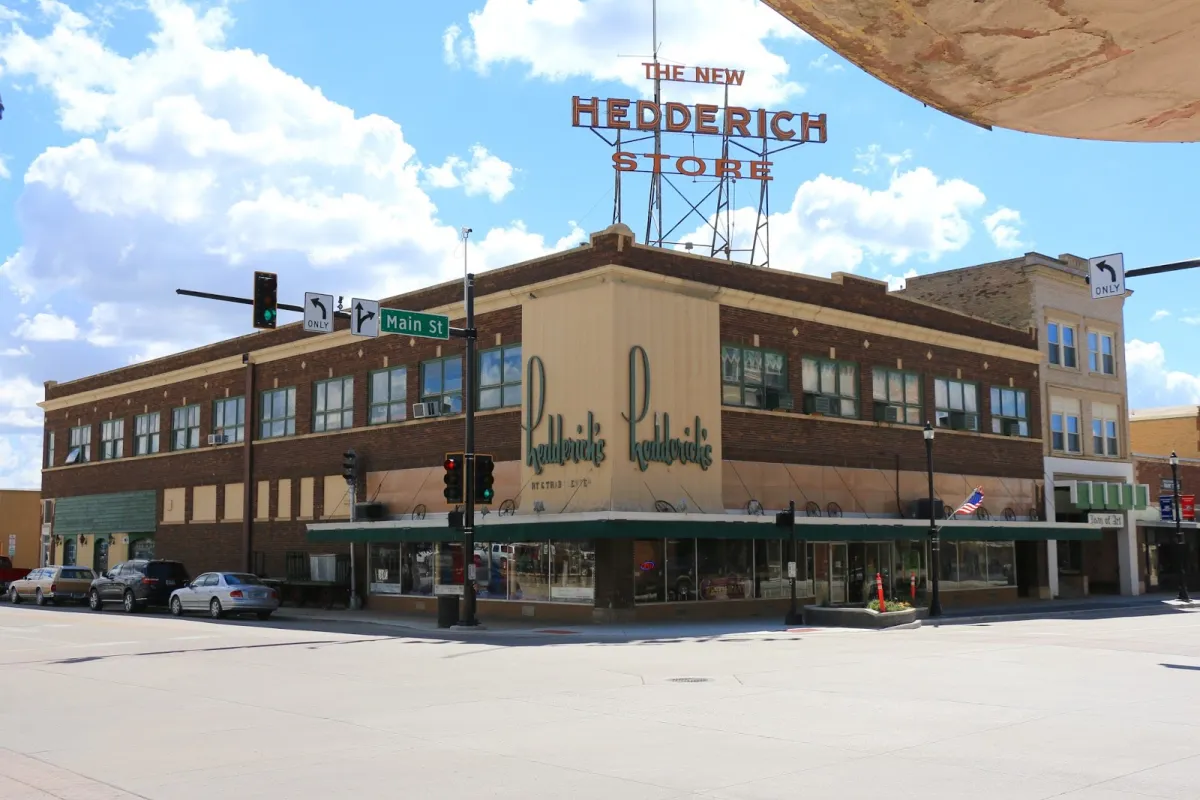 Photo: Williston, North Dakota, via 3.bp.blogspot.com
Within months, the federal government was treating Williston like a booming metropolis. Money started flowing. Infrastructure projects were approved. Political boundaries were redrawn. And absolutely nobody in the actual town of 127 people had any idea what was happening until it was far too late to stop it.
When Big Government Meets Small Town Reality
The first sign something was wrong came in early 1991, when Mayor Dorothy Henrickson received a congratulatory letter from the Department of Housing and Urban Development. They were thrilled to inform her that Williston had qualified for a $2.3 million urban development grant to address the "housing shortage created by rapid population growth."
Henrickson read the letter three times, then walked outside and counted the houses in town. There were 43. She could see all of them from her front porch.
"I thought maybe they'd confused us with Williston down in Williams County," she later recalled. "That's a real city with oil workers and everything. But no—the letter clearly said our Williston, population 1,127."
The mystery deepened when the Department of Transportation announced plans to upgrade Highway 52 through Williston to handle "increased traffic volume from population expansion." The current road was a two-lane gravel path that saw maybe a dozen cars on busy days.
Then came the really weird stuff.
Democracy Gets Confused
The Census Bureau's population error had triggered a cascade of automated government responses. Williston's inflated numbers pushed the region over the threshold for congressional redistricting. Suddenly, the town found itself split between two different House districts—one for the "old" Williston and one for all those phantom residents.
The North Dakota Secretary of State's office, working from census data, determined that a town of 1,127 people needed expanded voting infrastructure. They shipped 15 new voting machines, hired additional poll workers, and designated three separate polling locations for Election Day 1992.
"We had more voting booths than voters," said longtime resident Carl Morrison. "It was like setting up a cafeteria for a dinner party of six."
But the real chaos began when someone figured out how to game the system.
The Phantom Candidate Phenomenon
Word of Williston's bureaucratic bonanza eventually reached the outside world, and that's when things got truly bizarre. Political operatives realized that a town with 900 imaginary residents represented 900 potential votes that nobody was monitoring.
In the spring of 1992, a man named Marcus Delacroix filed paperwork to run for mayor of Williston. Nobody in town had ever seen him before. His listed address was a vacant lot next to the grain elevator. His campaign consisted entirely of flyers mailed to addresses that didn't exist.
Delacroix's strategy was brilliant and completely insane: he was counting on the federal government's assumption that Williston had 1,127 residents to overwhelm the actual votes from the town's 127 real inhabitants. If even half of those phantom citizens "voted" for him, he'd win in a landslide.
The plan almost worked.
Election Day in the Twilight Zone
On November 3, 1992, Williston experienced the strangest Election Day in American political history. The town's three polling locations were staffed and ready for the influx of voters that census data suggested would arrive.
Instead, 89 actual residents showed up to vote, vastly outnumbered by poll workers, voting machines, and federal election observers who'd been dispatched to monitor this "rapidly growing community."
But throughout the day, absentee ballots kept arriving for voters nobody recognized. The addresses were real—they corresponded to empty lots, abandoned buildings, and undeveloped parcels throughout the township. But the names were complete fiction.
"We started getting ballots for people like 'John Smith, 423 Prairie View Lane,'" recalled election supervisor Janet Walsh. "Problem was, Prairie View Lane was a dirt road with nothing on it but cows."
By evening, Delacroix had received 847 votes—all absentee, all from residents nobody could locate. The incumbent mayor, Dorothy Henrickson, received 76 votes from people she'd known her entire life.
The Investigation That Unraveled Everything
The FBI arrived in Williston three days after the election, followed by investigators from the Department of Justice, the Census Bureau, and the North Dakota Attorney General's office. What they found was a perfect storm of bureaucratic assumptions and electoral fraud.
Delacroix, it turned out, was a political consultant from Minneapolis who specialized in exploiting small-town election irregularities. He'd identified Williston through public census data, recognized the population discrepancy, and realized he could manufacture a voter base that existed only on government databases.
The investigation revealed that Delacroix had spent months creating fake voter registrations for the 900 "missing" residents. He'd used real addresses but invented identities, counting on the fact that nobody would verify the existence of voters in a town the government believed was ten times larger than it actually was.
The Cover-Up That Made It Worse
As federal investigators dug deeper, they uncovered something even more embarrassing than electoral fraud: a massive government cover-up. Multiple federal agencies had discovered the population error months earlier but had chosen to ignore it rather than admit the mistake.
The Department of Housing and Urban Development knew Williston couldn't possibly need $2.3 million in urban development funds, but they'd already allocated the money and didn't want to explain the error to Congress. The Transportation Department had noticed that their traffic studies showed virtually no vehicles using the roads they were planning to upgrade, but the project was already approved.
Even the Census Bureau had received complaints from local officials about the population figures, but correcting the error would have required revising congressional district maps that had already been finalized.
"Everyone knew something was wrong," admitted one federal official who spoke anonymously to reporters. "But fixing it was more complicated than just letting it ride for ten years until the next census."
The Aftermath: Democracy Debugged
Marcus Delacroix was eventually convicted of election fraud and sentenced to three years in federal prison. The election was voided, and Dorothy Henrickson remained mayor. But the bureaucratic mess took years to untangle.
Williston had to return the $2.3 million in urban development funds, cancel the highway upgrades, and somehow explain to various federal agencies that 900 of their constituents had never existed. The town's official population was corrected to 127, but computer systems across the government continued to show the inflated numbers for years.
The strangest legacy of the whole affair? Williston kept the extra voting machines. "Figured we might need them someday," Mayor Henrickson explained. "You never know when the government might accidentally send us more imaginary residents."
The Town That Democracy Forgot
Today, Williston, North Dakota has a population of 134—a real number, verified by actual human beings. The town has become a case study in election security courses and a cautionary tale about the dangers of automated government systems.
But residents still joke about their brief moment as a political powerhouse. The local diner sells t-shirts reading "Williston: Population 127 (Plus or Minus 900)." And every Election Day, they set up all 15 voting machines, just in case those phantom citizens ever decide to show up.
"We learned that democracy is a lot more fragile than people think," reflected Carl Morrison, now 78. "All it takes is one typo and suddenly you've got a thousand people who don't exist trying to elect a mayor nobody's ever met. Makes you wonder what else the government's got wrong."