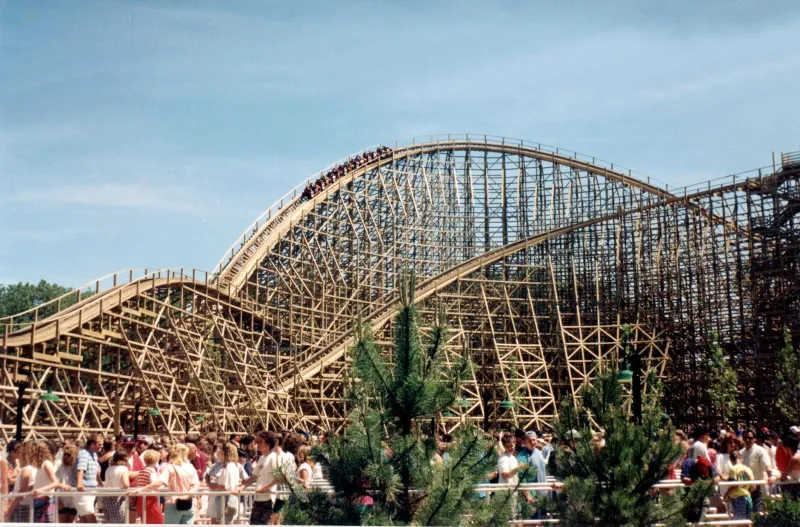
The Doctor's Prescription: Mild Terror
In 1884, a Philadelphia dentist named LaMarcus Thompson had a radical theory about human happiness: what melancholy Americans really needed was a controlled dose of fear followed by relief. Not the kind of terror that comes from war or poverty, but the manageable thrill of hurtling down a wooden track at twelve miles per hour while safely strapped into a wooden cart.
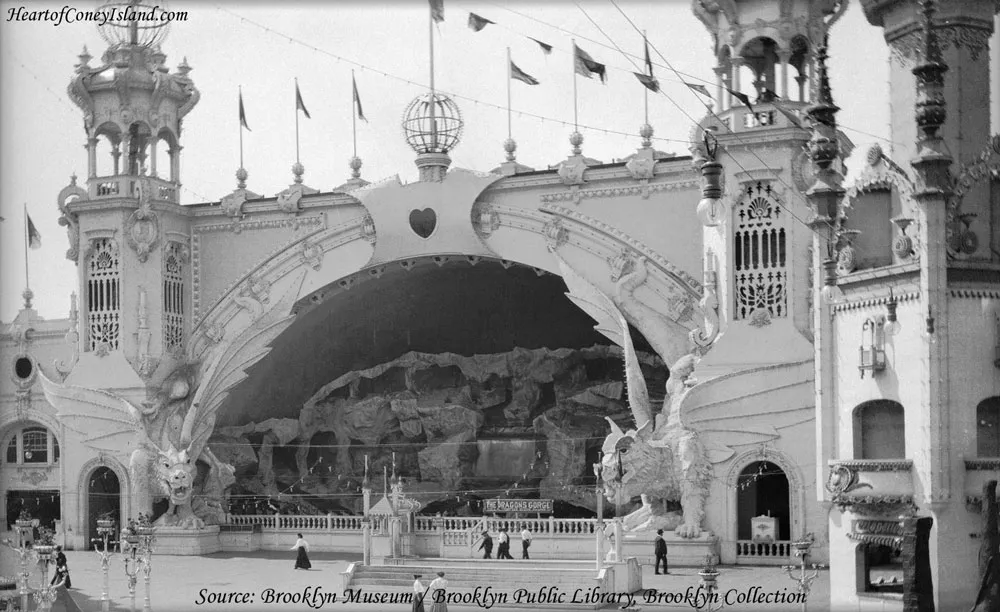 Photo: LaMarcus Thompson, via www.heartofconeyisland.com
Thompson wasn't building an amusement ride—he was constructing what he genuinely believed was medical equipment. His "Switchback Railway" at Coney Island was designed as therapeutic intervention for an epidemic of depression sweeping through America's rapidly industrializing cities.
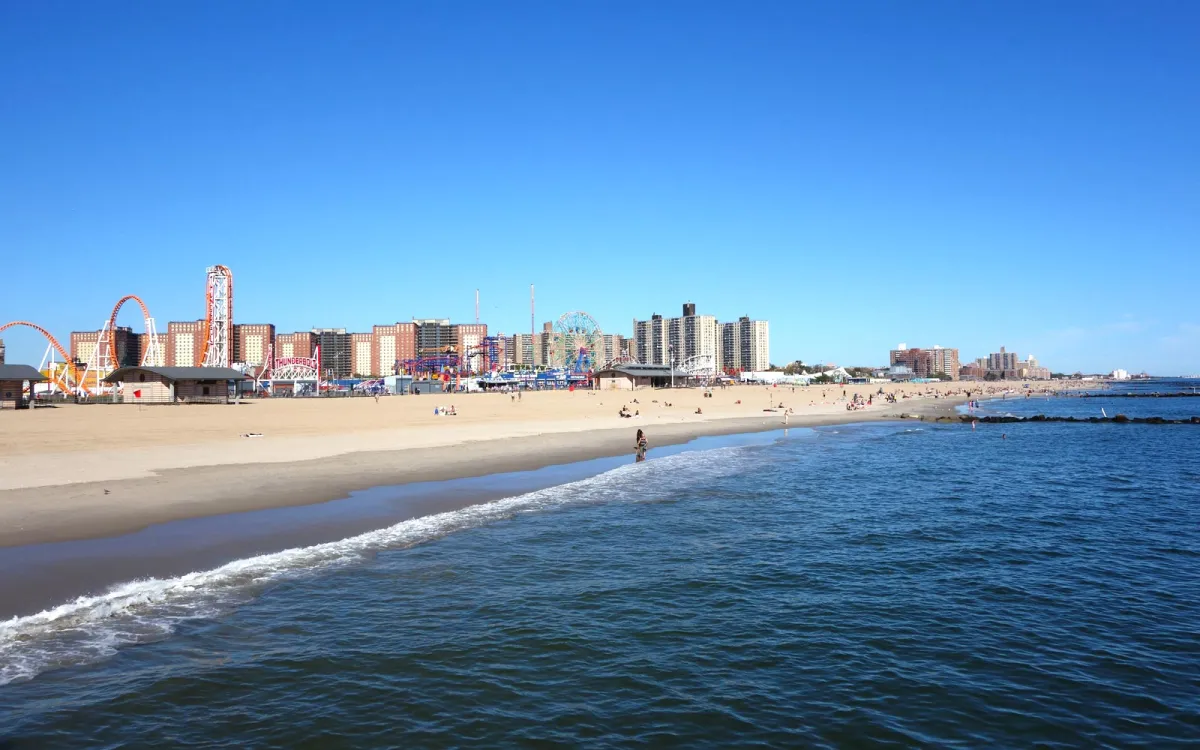 Photo: Coney Island, via www.worldbeachguide.com
The fact that his gravity-powered depression cure accidentally launched the global roller coaster industry was never part of the plan.
The Science of Nineteenth-Century Happiness
Thompson's medical philosophy made perfect sense within the context of 1880s wellness culture. Victorian-era physicians regularly prescribed everything from cold baths to electrical shock as treatments for "nervous exhaustion" and "moral weakness." The idea that mild physical stimulation could rebalance brain chemistry wasn't pseudoscience—it was cutting-edge neurology.
His theory centered on what he called "beneficial excitement." Thompson observed that his dental patients seemed more cheerful after particularly challenging tooth extractions, leading him to hypothesize that controlled stress followed by relief could treat chronic melancholy. If a difficult dental procedure could temporarily lift someone's spirits, imagine what a purpose-built excitement machine might accomplish.
Thompson spent three years designing his therapeutic device, studying everything from mining cart mechanics to playground swing physics. He wanted to create the precise amount of thrill necessary to trigger what modern science would recognize as an endorphin response, though he described it as "moral invigoration through controlled adventure."
The Moral Improvement Machine
The Switchback Railway opened on June 16, 1884, with a dedication ceremony that sounds nothing like a modern amusement park unveiling. Thompson delivered a twenty-minute speech about the medical benefits of "gravity therapy" to an audience of physicians, clergy, and civic leaders.
Each ride lasted exactly three minutes and cost five cents—roughly equivalent to $1.50 today. Passengers climbed stairs to a forty-foot platform, settled into wooden benches, and rolled down gentle slopes that Thompson had mathematically calculated to produce optimal therapeutic benefit without genuine danger.
The early marketing materials read more like medical advertisements than entertainment promotion. "Experience Scientific Recreation for the Improvement of Moral Character and Physical Constitution," proclaimed the hand-painted signs. "Recommended by Leading Physicians for the Treatment of Nervous Disorders."
Thompson genuinely expected his customers to approach the Switchback Railway like they might approach a medical appointment—with serious intent and therapeutic expectations.
When Therapy Becomes Entertainment
What Thompson discovered within weeks of opening was that people didn't want moral improvement—they wanted fun. Customers weren't lining up for depression treatment; they were coming back repeatedly for the pure joy of controlled fear.
Children begged parents for multiple rides. Couples made the Switchback Railway a regular date destination. Groups of friends turned it into a social activity, competing to see who could ride with the straightest face or the loudest scream.
Thompson initially resisted this transformation of his medical device into mere entertainment. He added educational placards along the track explaining the therapeutic benefits riders were experiencing. He published pamphlets detailing the scientific principles behind gravity therapy. He even offered discounted rates for patients with physician referrals.
None of it mattered. The public had decided his depression cure was actually a happiness machine, and they wanted more happiness machines immediately.
The Industry Nobody Planned
By 1885, copycat "gravity railways" were appearing at beaches, fairgrounds, and city parks across America. None of the imitators bothered with Thompson's therapeutic marketing—they went straight for entertainment value.
Competitors started adding loops, steeper drops, and faster speeds that had nothing to do with medical benefit and everything to do with pure thrill. Thompson watched his carefully calculated therapeutic experience evolve into increasingly extreme carnival rides that bore no resemblance to his original vision.
The irony wasn't lost on him. In trying to cure America's depression, he had accidentally created an industry dedicated to artificial excitement. His moral improvement machine had spawned a culture of recreational terror that prioritized sensation over character development.
The Forgotten Philosophy
Thompson continued operating gravity railways for another decade, but he gradually abandoned his therapeutic marketing as the amusement industry exploded around him. By 1895, his business cards no longer mentioned medical benefits—they simply advertised "thrilling rides" like everyone else.
The transformation was complete when Luna Park opened at Coney Island in 1903, featuring roller coasters that were pure entertainment spectacle. Thompson's original Switchback Railway was demolished to make room for bigger, faster, more terrifying rides that had abandoned any pretense of moral or medical purpose.
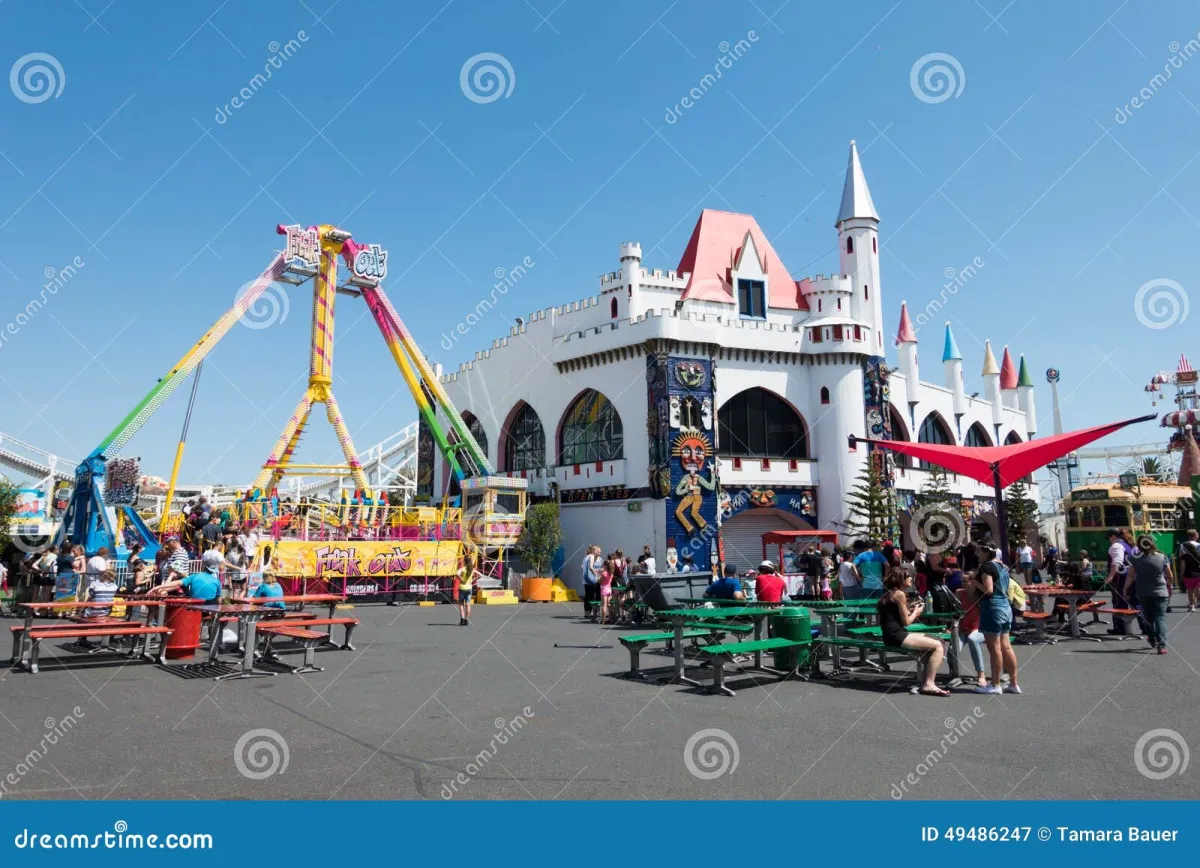 Photo: Luna Park, via thumbs.dreamstime.com
Today, millions of Americans seek exactly the kind of therapeutic thrill Thompson originally prescribed—we just call it "stress relief" instead of "moral invigoration." Modern research has validated his basic insight about controlled excitement triggering beneficial brain chemistry, though we've lost his Victorian confidence that amusement rides could cure depression.
The Accidental Legacy
Thompson died in 1919, having witnessed his medical device evolve into a multi-billion-dollar entertainment industry. He never quite reconciled himself to the transformation, occasionally giving interviews where he lamented that Americans had missed the deeper therapeutic potential of his invention.
But perhaps Thompson's original vision was more successful than he realized. Every time someone rides a roller coaster to forget their troubles, to feel briefly alive, or to experience pure joy disconnected from daily stress, they're participating in exactly the kind of therapeutic recreation he envisioned.
The fact that we've forgotten the medical philosophy behind the fun doesn't make the healing any less real.