The Georgia Town Where Gun Ownership Is Mandatory but Nobody's Ever Been Arrested for Not Having One
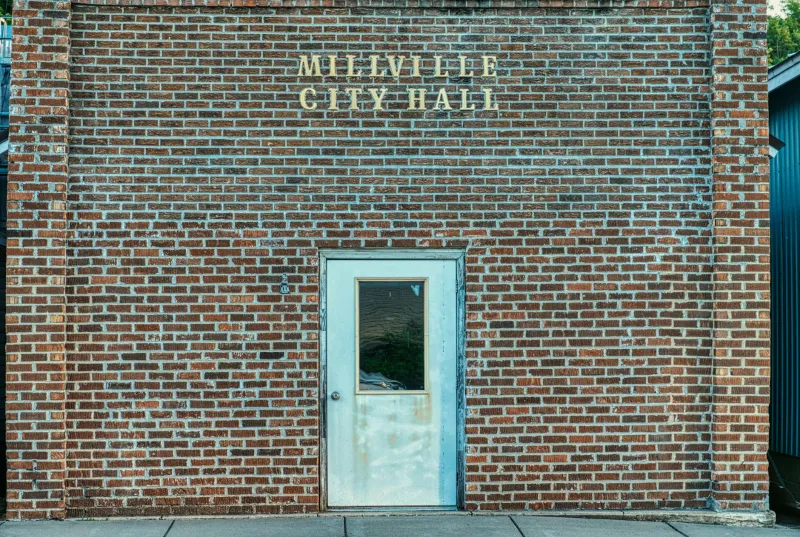
The Law That Exists But Doesn't
In the spring of 1982, the small town of Kennesaw, Georgia made national headlines when its city council passed Ordinance 34-82, officially titled "An ordinance to provide for and require the possession of firearms and ammunition by all heads of household residing within the corporate limits of the City of Kennesaw."
 Photo: Kennesaw, Georgia, via www.shutterstock.com
The law was simple: every head of household must own a firearm and ammunition, unless they were disabled, had religious objections, or were felons prohibited from gun ownership.
What makes this story truly bizarre isn't that the law passed — it's that for 41 years and counting, absolutely no one has ever been prosecuted for violating it.
Morton Grove's Challenge
To understand Kennesaw's gun mandate, you have to know about Morton Grove, Illinois. Six months earlier, that Chicago suburb had become the first municipality in America to ban handgun ownership entirely. The ordinance sparked a national debate about local gun control and the Second Amendment.
 Photo: Morton Grove, Illinois, via www.mortongroveil.org
Kennesaw's city council, led by Mayor Darvin Purdy, decided to make a point. If Morton Grove could ban guns, Kennesaw could require them. The ordinance was explicitly designed as a political statement, a symbolic middle finger to what council members saw as government overreach.
"We're not trying to force anyone to buy a gun," Purdy explained at the time. "We're making a statement about constitutional rights."
The problem was, they accidentally made it an actual law.
The Enforcement Problem
Almost immediately, Kennesaw officials realized they'd created an impossible situation. How do you enforce mandatory gun ownership? Do police go door-to-door checking for firearms? Do you require registration, which would contradict Georgia's opposition to gun registries? What's the penalty for non-compliance?
The ordinance included no enforcement mechanism, no penalties, and no method for determining compliance. It was, in legal terms, a perfectly unenforceable law.
City Attorney David Hinson quietly advised officials to simply... not enforce it. Ever. The law would remain on the books as a symbol, but attempting actual enforcement would create a legal and logistical nightmare.
The Absurd Exemptions
The ordinance's exemptions reveal just how little thought went into practical implementation. You're exempt if you:
- Have religious objections
- Are disabled
- Are a convicted felon
- Are "paupers" unable to afford a firearm
- Object for "any other reason"
That last exemption essentially makes the law voluntary. Anyone can claim they "object for any other reason" and become exempt. No documentation required, no questions asked.
Legal scholars have noted that the exemptions are so broad they effectively nullify the mandate entirely.
Four Decades of Legal Limbo
For 41 years, Kennesaw has maintained this bizarre legal fiction. New residents aren't informed about the gun requirement. Police don't check for compliance. City hall doesn't track ownership rates. The law exists in name only.
Yet it remains on the books because removing it would require admitting the whole thing was political theater — something no Kennesaw politician wants to do.
"It's part of our identity now," current Mayor Derek Easterling admits. "People move here because they like what it represents, even if it doesn't actually do anything."
The Crime Rate Mythology
Kennesaw officials love to point out that the city's crime rate dropped dramatically after 1982 and has remained low ever since. They attribute this to the gun ordinance, creating a local mythology about armed deterrence.
Criminologists are skeptical. Kennesaw's crime rate was already low in 1982, and similar decreases occurred throughout suburban Georgia during the same period. The town's growth from 5,000 to 35,000 residents brought typical suburban demographics: higher income, more education, stable families.
"Correlation isn't causation," explains Dr. Gary Kleck, a Florida State University criminologist who's studied Kennesaw extensively. "Their crime rate probably would have dropped with or without the ordinance."
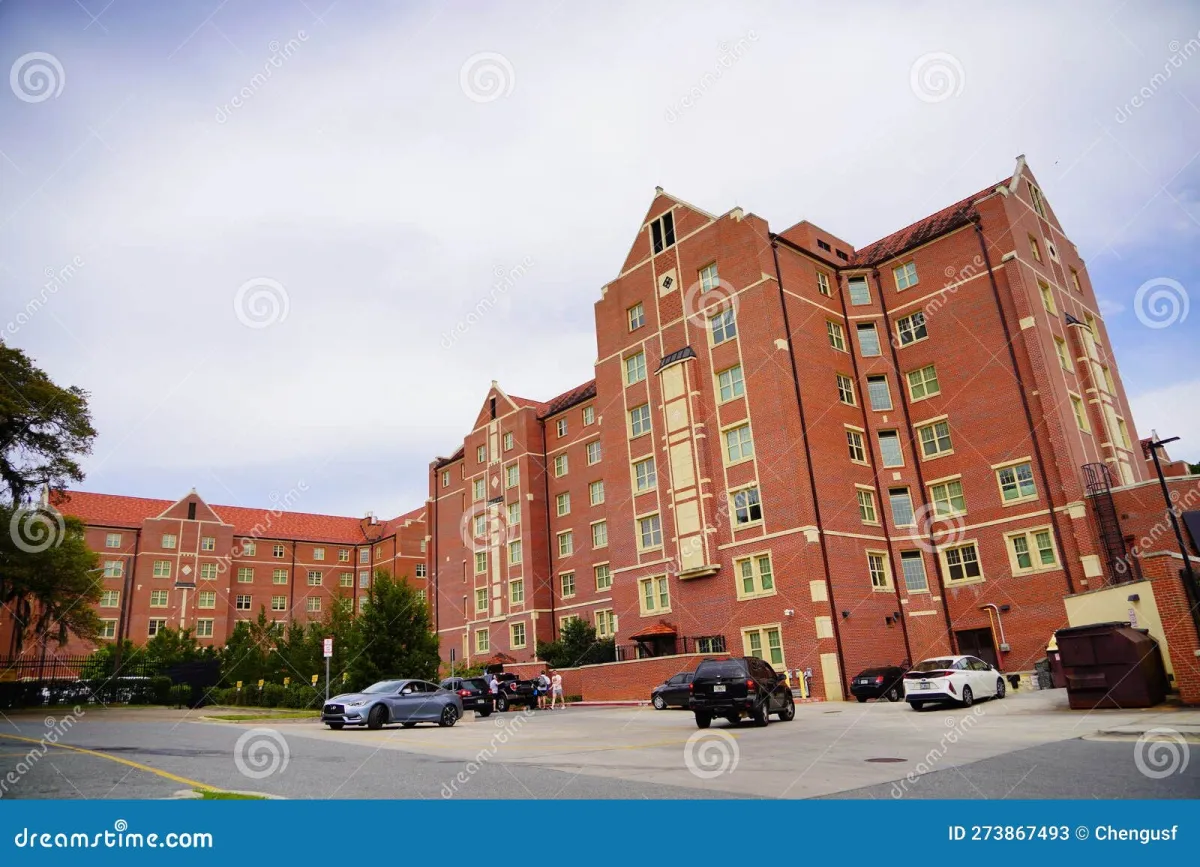 Photo: Florida State University, via thumbs.dreamstime.com
The Political Tourism Industry
Kennesaw has embraced its reputation as "America's Gun Town." The ordinance attracts Second Amendment activists, conservative politicians, and gun rights organizations who hold the city up as a model.
Local businesses profit from the attention. Gun stores display "Kennesaw Required" signs. Restaurants serve "Mandatory Meals." The annual Big Shanty Festival celebrates the town's gun culture, even though nobody actually knows who owns guns or how many.
It's become a perfect example of political branding divorced from reality.
The Constitutional Questions Nobody Wants to Answer
Legal experts have long wondered whether Kennesaw's ordinance would survive a court challenge. Can local governments actually mandate gun ownership? Does the Second Amendment protect the right to bear arms or require it?
These questions remain unanswered because nobody's ever been prosecuted, so there's never been a case to challenge. The law exists in a constitutional gray area, untested and untestable.
"It's Schrödinger's ordinance," jokes Emory University law professor Michael Kang. "It simultaneously exists and doesn't exist until someone tries to enforce it."
The Modern Dilemma
Today, Kennesaw faces an awkward reality. The town has grown into a diverse Atlanta suburb with residents who may not share the 1982 council's political views. Many new residents are unaware of the gun requirement until someone mentions it at a neighborhood barbecue.
City officials navigate this by treating the ordinance as historical curiosity rather than active law. They promote it for tourism while quietly ignoring it for governance.
The Legacy of Good Intentions
Kennesaw's mandatory gun law perfectly captures the unintended consequences of symbolic politics. What started as a simple political statement became a 41-year exercise in legal absurdity.
The ordinance remains popular with many residents, not because it's enforced, but because it represents their values. It's politics as performance art, law as identity marker.
And every year, Kennesaw's city council meets to review local ordinances. Every year, they quietly skip over Ordinance 34-82, the law that everyone knows exists but nobody wants to touch.
Because sometimes the most effective laws are the ones you never have to enforce.