When American Patriots Wanted to Be Canadian
Picture this: It's 1977, and a small Vermont ski town is so fed up with their state government that they decide to become Canadian. Not as a joke, not as a publicity stunt, but with actual legal documents, official votes, and paperwork filed through proper channels. This isn't some fever dream from the disco era—this really happened, and technically, it's still happening.
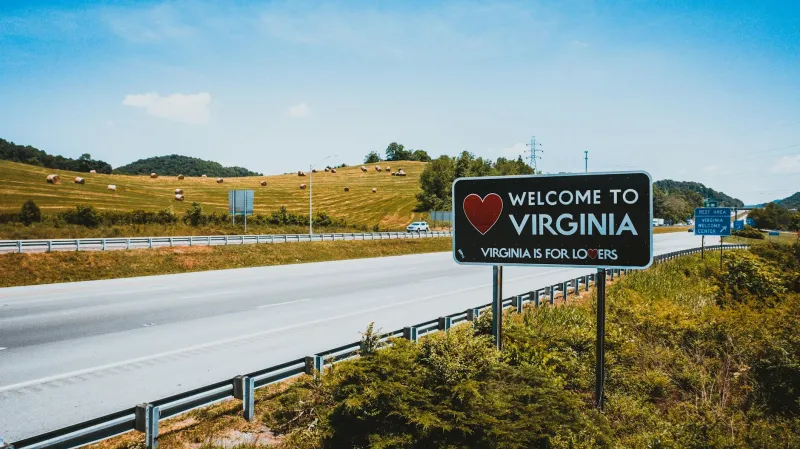
Killington, Vermont, a town of about 1,200 people nestled in the Green Mountains, made headlines when they voted to secede from Vermont and petition to join the Canadian province of Quebec. The reason? They were absolutely furious about Vermont's tax policies and felt more connected to their northern neighbors than to their own state capital in Montpelier.
The Straw That Broke the Camel's Back
The trouble started when Vermont implemented a new tax structure that hit resort communities particularly hard. Killington, which generated massive revenue from skiing and tourism, suddenly found themselves sending millions in tax dollars to the state while receiving what they considered inadequate services and representation in return.
But here's where it gets weird: instead of just grumbling about taxes like every other American town, Killington's residents looked north to Quebec and thought, "You know what? Those Canadians seem pretty reasonable."
The town's proximity to the Canadian border—just 90 minutes away—meant many residents already had stronger economic and cultural ties to Quebec than to southern Vermont. Quebec offered better healthcare, more reasonable tax rates, and seemed genuinely interested in what Killington had to offer.
The Most Polite Rebellion in American History
What happened next reads like something out of a civics textbook written by comedy writers. The town held an official vote, and residents overwhelmingly approved a resolution to explore secession from Vermont and annexation by Quebec. This wasn't some angry mob with pitchforks—this was democracy in action, complete with proper procedures and parliamentary rules.
The petition they filed was legally bulletproof. They cited historical precedent (several American territories had changed hands between countries), constitutional law, and even international treaty provisions. They argued that since Quebec was actively seeking to preserve its distinct culture and attract new residents, Killington would be a perfect fit.
Canadian officials, displaying their legendary politeness, didn't immediately laugh them out of the room. Quebec's government actually acknowledged the petition and said they'd "consider it" if Vermont agreed to let Killington go. It was the most cordial international boundary dispute in North American history.
Vermont's Awkward Position
Meanwhile, Vermont's state government found themselves in an impossibly bizarre situation. How do you respond when one of your towns formally asks to become foreign territory? There's no handbook for this.
State officials initially tried to dismiss it as a publicity stunt, but Killington kept filing paperwork, holding votes, and maintaining their position with unwavering determination. The town hired lawyers, created committees, and even started learning French phrases—just in case.
The federal government, when asked to weigh in, essentially shrugged and said it was a state matter. The State Department quietly noted that any actual border changes would require congressional approval, but nobody seemed in a hurry to make this a national crisis.
The Standoff That Never Really Ended
Here's the truly bizarre part: the petition was never officially rejected. Vermont couldn't figure out how to legally dismiss it without acknowledging that towns might actually have the right to leave. Canada couldn't accept it without Vermont's permission, which would never come. So the whole thing just... sat there.
For decades, Killington maintained their position. They continued to pay Vermont taxes (they had to), but they also continued to assert their desire to join Quebec. Town meetings occasionally revisited the issue. Local businesses started accepting Canadian currency. Some residents got Quebec license plates as a form of protest.
The Legacy of America's Most Canadian Town
What started as a tax dispute became one of the strangest examples of small-town rebellion in American history. Killington proved that with enough determination, proper paperwork, and a healthy dose of audacity, even the most outrageous political ideas could gain legitimate traction.
The town eventually resolved most of their tax issues with Vermont through more conventional means, but the secession petition technically remains active. Every few years, when state politics annoy them enough, someone in Killington mentions that their offer to join Canada is still on the table.
Today, visitors to Killington can still find traces of their brief flirtation with Canadian citizenship. The town maintains a distinctly international flavor, and locals love telling the story of the time they almost redrew the map of North America through sheer bureaucratic persistence.
It's a reminder that in America, even the most impossible dreams can become legitimate political movements—as long as you file the right paperwork and remember to vote.