Friendly Fire Paperwork: The GI Who Became His Own Enemy
When Your Own Army Declares War on You
Picture this: you're a decorated American soldier fighting fascists in World War II Italy, and you receive official orders to report for questioning about your loyalty to the United States. The reason? According to the U.S. military's own records, you are simultaneously a Staff Sergeant in the Army and an enemy of the state.
This wasn't some elaborate spy thriller plot. This actually happened to Robert Chen, a Chinese-American soldier from San Francisco, whose military service became a bureaucratic nightmare so absurd it reads like something from a dark comedy about government incompetence.
 Photo: Robert Chen, via www.exec-comm.com
The Mix-Up That Broke Reality
The trouble started at Camp Shelby, Mississippi, in early 1943. Chen, along with thousands of other soldiers, was being processed for overseas deployment when a clerical worker made what seemed like a minor mistake. While transferring information from handwritten forms to typed records, someone confused Chen's file with that of a captured enemy soldier who was being processed through the same administrative center.
The enemy combatant's classification code was accidentally entered into Chen's permanent military record. In the space of a single keystroke, Staff Sergeant Robert Chen transformed from a loyal American fighting for democracy into a classified threat to national security.
The error should have been caught immediately. Military records were supposed to be cross-checked by multiple departments before being finalized. But in the chaos of wartime mobilization, with thousands of soldiers moving through the system daily, Chen's file slipped through every safety net the military had established.
Fighting Wars on Two Fronts
Chen shipped out to Italy in June 1943, completely unaware that he was officially considered an enemy of the country he was risking his life to defend. For three months, he fought alongside the 34th Infantry Division, participating in some of the war's bloodiest campaigns while his own government's computers flagged him as a security risk.
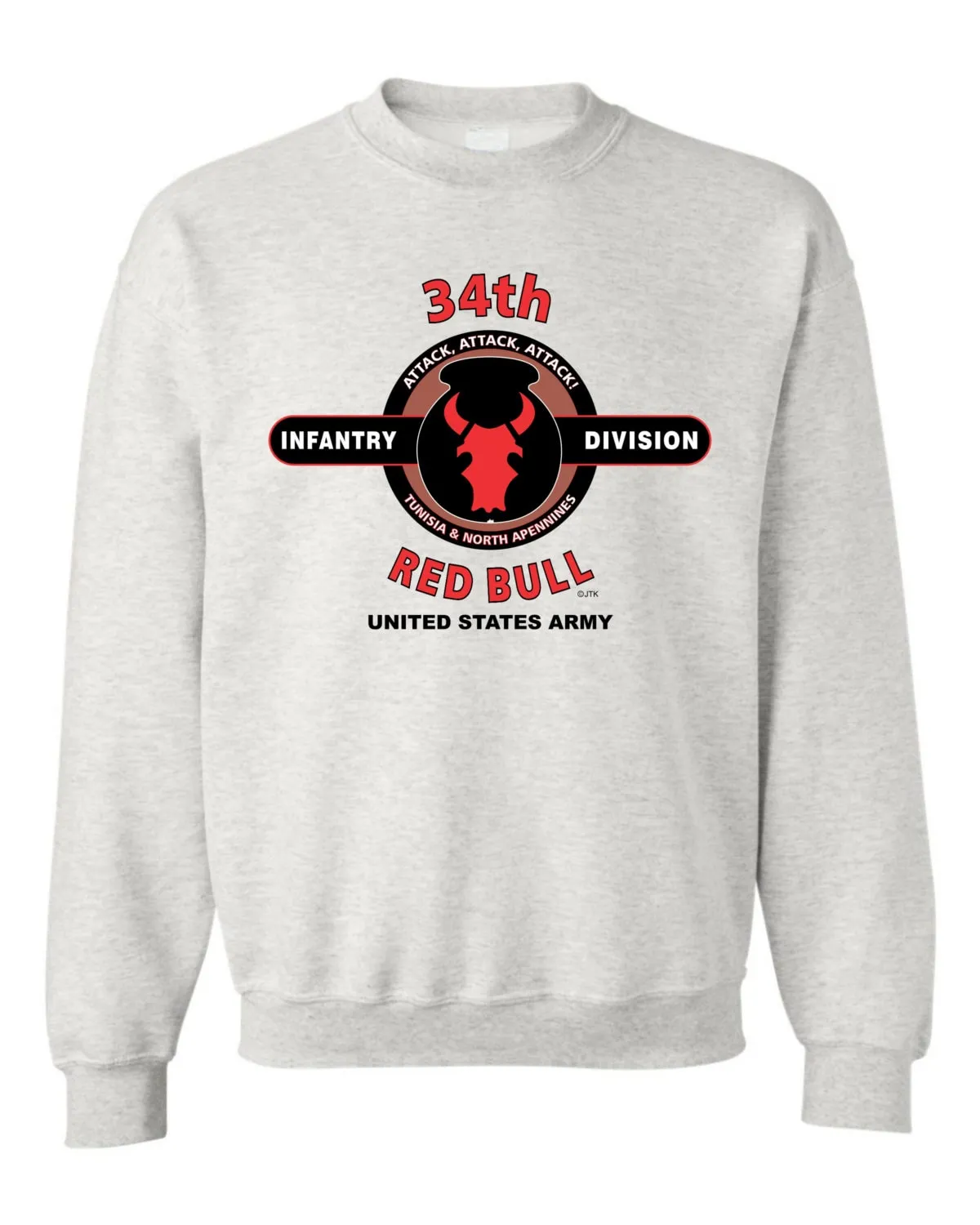 Photo: 34th Infantry Division, via i.etsystatic.com
The contradiction finally surfaced when Chen applied for emergency leave to visit his wounded brother in a military hospital. His request triggered an automatic security review, which immediately red-flagged his file. Within hours, military intelligence officers were asking how an enemy combatant had managed to obtain the rank of Staff Sergeant and access to classified tactical information.
The investigation that followed was a masterpiece of circular logic. Military investigators spent weeks trying to determine whether Chen was a deep-cover enemy agent or the victim of administrative error, while Chen himself remained on active duty, fighting the same war his investigators thought he might be sabotaging.
The Tribunal That Questioned Everything
In September 1943, Chen received orders to report to a military tribunal in Naples. The hearing was classified, so he wasn't told why he was being investigated. He assumed it was routine military business until he walked into a room full of intelligence officers treating him like a prisoner of war.
The questioning was surreal. Officers asked Chen to prove his loyalty to America while simultaneously consulting records that officially designated him as an enemy combatant. They wanted to know how he had infiltrated the U.S. military, why he had chosen his particular cover identity, and what intelligence he had gathered during his months of "pretending" to fight for the Allied cause.
Chen, understandably confused, kept insisting that he was exactly who he claimed to be: a soldier from San Francisco who had volunteered to fight fascism. The more adamantly he maintained his identity, the more suspicious the investigators became. After all, wouldn't a real enemy agent insist on his innocence?
The Evidence That Made No Sense
The investigation grew increasingly bizarre as officers tried to reconcile Chen's official record with observable reality. His service record showed exemplary performance, commendations for bravery, and the respect of his fellow soldiers. He had volunteered for dangerous missions, saved American lives under fire, and demonstrated exactly the kind of courage and dedication the military hoped to inspire.
But according to the same filing system, he was also an enemy of the state who should be imprisoned immediately.
The breakthrough came when a sharp-eyed clerk noticed that Chen's enemy classification code didn't match his service branch, deployment date, or physical description. The numbers belonged to a Japanese prisoner who had been captured in the Pacific theater — someone who was shorter, older, and had been in military custody since before Chen even enlisted.
The Fix That Created New Problems
Correcting Chen's record should have been simple: remove the wrong classification code and restore his proper status. But six months of investigation had created its own paper trail. Chen now had two official military identities: the loyal soldier and the enemy combatant.
Military lawyers spent weeks figuring out how to legally merge these contradictory records without creating new bureaucratic problems. They couldn't simply delete the enemy classification because it had been referenced in dozens of other documents. They couldn't ignore the investigation because it had involved multiple intelligence agencies.
The solution they devised was wonderfully absurd: they officially "captured" Chen as an enemy combatant, then immediately "released" him with a full pardon and reinstatement to his original rank. The paperwork showed that Staff Sergeant Robert Chen had captured himself, investigated his own loyalty, and cleared himself for continued service.
The War After the War
Chen returned to combat duty in early 1944, but his bureaucratic nightmare wasn't over. For months afterward, various military departments continued to receive automated alerts about an "enemy combatant" serving in the 34th Infantry Division. Each alert triggered new investigations, which had to be individually resolved by officers who understood the original mix-up.
Chen himself became something of a legend among military clerks — the soldier who was simultaneously the most loyal and most dangerous man in the American military, depending on which form you were reading.
The American Dream, Filed in Triplicate
Today, Chen's story serves as a perfect illustration of how bureaucratic systems can create realities so strange they seem impossible. In a war where the difference between friend and enemy literally meant life or death, one clerical error turned a patriotic soldier into a security threat, creating a situation where the U.S. military had to investigate whether one of its own heroes was actually its own worst enemy.
It's a uniquely American story: somewhere between the noble ideals of service and the mundane reality of paperwork, Robert Chen became both the perfect soldier and the perfect example of how even the most serious institutions can accidentally declare war on themselves.