When Corporate Cash Made a Texas Town Disappear Into the Digital Void
The Deal That Seemed Too Good to Be True
In the summer of 2000, the residents of Clark, Texas—population 347—gathered in their community center for what they thought would be the meeting of a lifetime. A representative from an internet startup called NameThis.com had driven down from Dallas with a briefcase full of promises and a check that could transform their struggling rural community forever.
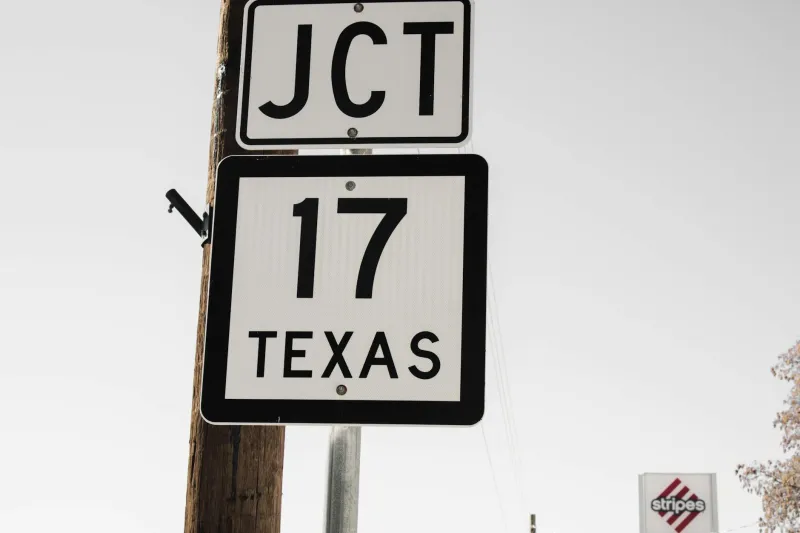
 Photo: Clark, Texas, via m.media-amazon.com
The pitch was simple: rename their town to "NameThis, Texas" for five years, and the company would provide $50,000 in cash, plus computers for the local school, high-speed internet infrastructure, and ongoing tech support. For a community that had watched its cotton economy evaporate and its young people flee to bigger cities, it felt like winning the lottery.
What nobody in that sweltering community center could have predicted was that they were about to become the poster child for everything wrong with dot-com era desperation—and that their town would still be paying the price two decades later.
When the Internet Gold Rush Hit Small Town America
The late 1990s and early 2000s were a bizarre time in American capitalism. Internet companies with no revenue were worth billions on paper, and everyone was scrambling to establish their digital footprint before the virtual land grab ended. Some companies bought Super Bowl ads; others sponsored stadiums. NameThis.com decided to buy an entire town.
The company's business model was as confusing as it was ambitious: they wanted to create an online platform where people could crowdsource names for everything from babies to businesses. Having an actual town named after their brand would provide the ultimate marketing credibility.
Clark's mayor, Janet Morrison, later admitted she didn't fully understand what the internet company actually did. "They showed us all these fancy charts and talked about 'synergy' and 'brand awareness,'" she recalled in a 2015 interview. "Honestly, we just heard '$50,000' and stopped listening to the rest."
The town council voted unanimously to accept the deal. Within six weeks, all the road signs had been changed, the post office had updated their records, and Clark, Texas officially ceased to exist. NameThis, Texas was born.
The Digital Dream Becomes a Bureaucratic Nightmare
For exactly eighteen months, the arrangement worked beautifully. The promised computers arrived at the school. The high-speed internet was installed. NameThis.com even paid for a new water tower painted with their logo. Local businesses started getting curious tourists who'd heard about "the internet town" on the news.
Then the dot-com bubble burst.
NameThis.com went bankrupt in March 2002, taking their servers, their customer service, and their legal department with them. But there was one tiny problem: the name change paperwork had been filed with the state of Texas as a permanent municipal restructuring, not a temporary marketing agreement.
When the town council tried to change their name back to Clark, they discovered they'd need to go through the same complex legal process required to incorporate an entirely new municipality. The cost? $75,000 in legal fees, environmental impact studies, and state filing charges—more money than the original deal had provided.
Trapped in Corporate Purgatory
What followed was a Kafkaesque legal odyssey that continues to this day. NameThis, Texas exists on every official government database, from the U.S. Postal Service to the Internal Revenue Service. But the company that gave the town its name vanished so completely that there's no legal entity to sue or negotiate with.
Residents started experiencing surreal bureaucratic problems. Insurance companies couldn't find their town in their systems. Federal emergency aid applications were rejected because "NameThis" wasn't recognized as a legitimate municipal name. When Hurricane Rita damaged several homes in 2005, FEMA initially refused to provide disaster relief because they suspected the address was fraudulent.
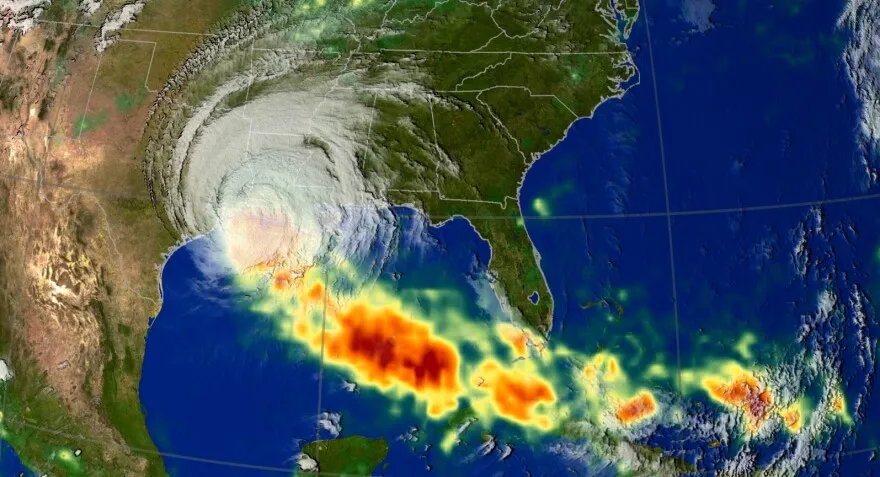 Photo: Hurricane Rita, via npr.brightspotcdn.com
"Try explaining to a government computer that your town is named after a website that doesn't exist anymore," said longtime resident Bobby Chen. "It's like living in a glitch."
The Legal Limbo That Won't End
Twenty-three years later, NameThis, Texas remains stuck in corporate purgatory. The town has launched multiple legal challenges to reclaim their original identity, but each attempt has been blocked by different bureaucratic obstacles. The state requires proof that the original name change was fraudulent or illegal—but it wasn't. It was just incredibly poorly planned.
Meanwhile, the community has developed a strange relationship with their corporate identity. Local teenagers joke about being from "the dot-com town." The annual summer festival is called "NameThis Days," and they sell t-shirts that read "Error 404: Town Not Found."
But the practical problems persist. GPS systems still can't reliably locate the town. Online shopping deliveries are frequently delayed or lost. And every few months, another tech journalist shows up asking to write about "the town that the internet forgot."
The Price of Digital Desperation
The story of NameThis, Texas serves as a cautionary tale about the hidden costs of corporate partnerships. What seemed like easy money in 2000 became a legal nightmare that has cost the community far more than they ever received.
"We thought we were being smart, getting ahead of the technology curve," said former mayor Morrison, who still lives in town. "Instead, we accidentally erased ourselves from the map. Some days I wonder if Clark, Texas ever really existed, or if we just imagined it."
Today, NameThis, Texas has a population of 312 and falling. Their story stands as perhaps the strangest example of how the dot-com boom's wild promises could reshape reality in ways nobody anticipated—and how sometimes, the internet never forgets, even when everyone wishes it would.