The Book That Became a Diplomatic Crisis: How a 60-Year Library Fine Nearly Broke International Law
The Notice That Started Everything
Margaret Kowalski had been sending overdue notices for thirty years, but the letter she typed on a cold February morning in 1987 would land on the desk of a State Department lawyer and create what one diplomat later called "the most ridiculous case file in the history of international relations."
The book in question was "Industrial Processes of the Great Lakes Region," a 847-page technical manual that had been checked out from the Milwaukee Public Library on March 15, 1923. The borrower was listed as "A. Henriksen" with an address on the city's east side. By 1987, the accumulated late fees had reached $22,654—enough to buy several thousand new books.
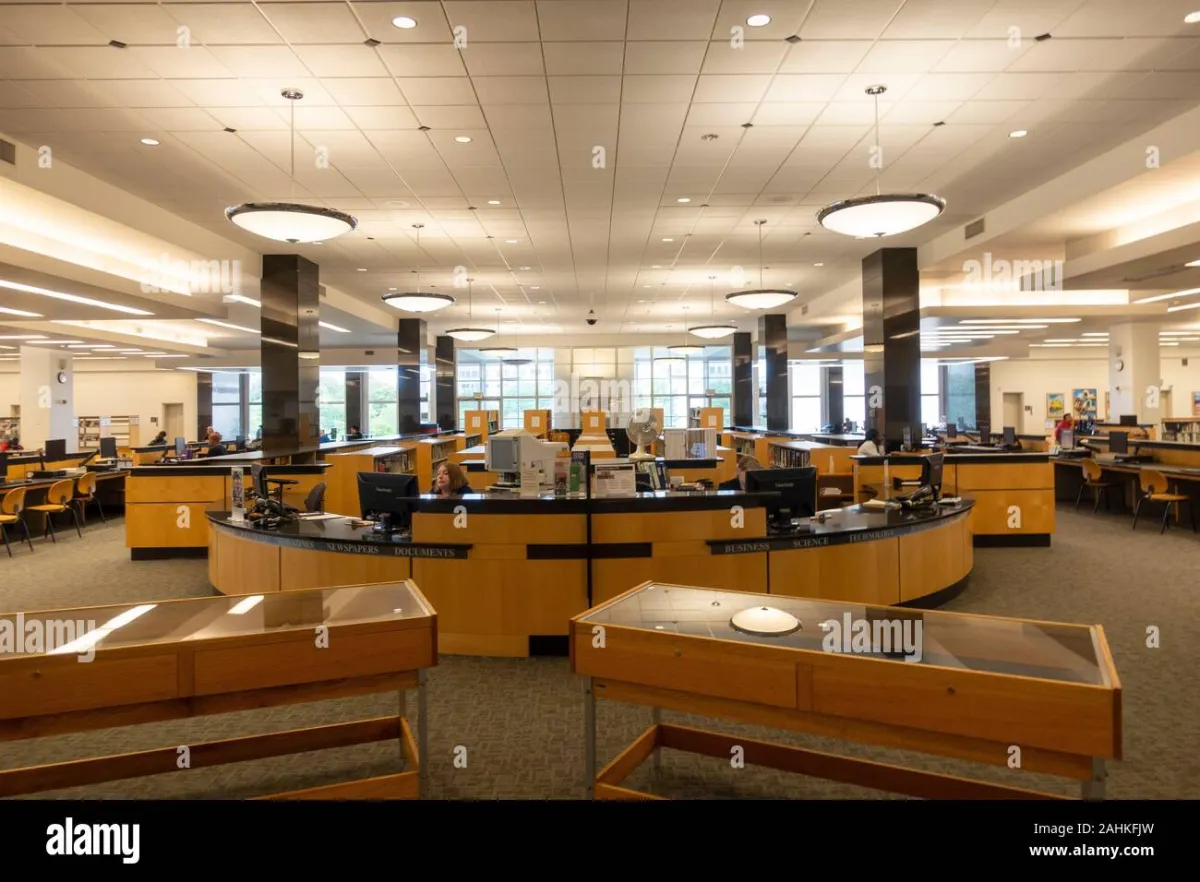 Photo: Milwaukee Public Library, via c8.alamy.com
Kowalski had sent hundreds of notices over the years to the address on file, but they were always returned as undeliverable. As part of a library modernization project, she decided to do some detective work to track down the mysterious A. Henriksen and finally close the case.
The Trail Goes Cold, Then Gets Hot
Her first stop was the Milwaukee County Historical Society, where a volunteer genealogist helped her search through old city directories. They found an Anders Henriksen listed at the correct address from 1920 to 1924, described as employed by "the Norwegian consulate."
This was where things got interesting. The Norwegian consulate had closed its Milwaukee office in 1925, and there was no record of what had happened to its staff or files. But the genealogist suggested contacting the current Norwegian embassy in Washington, D.C., just in case they had any historical records.
Kowalski's letter to the embassy was forwarded to the Norwegian Ministry of Foreign Affairs in Oslo, where an archivist named Erik Solberg began digging through decades-old personnel files. What he found would turn a simple library matter into an international incident.
Anders Henriksen had indeed worked for the Norwegian government, serving as a junior attaché at various consulates across the United States from 1920 to 1943. More importantly, when the Milwaukee consulate closed, Henriksen had been instructed to pack up all official documents and materials and forward them to the Norwegian embassy in Washington.
When Library Books Become State Property
Solberg's research revealed that among the materials shipped to Washington in 1925 was a box labeled "Reference Materials - American Industrial Processes." The box had been stored in the embassy's archives for decades, and when Solberg had it retrieved, he found "Industrial Processes of the Great Lakes Region" sitting inside, along with several other Milwaukee Public Library books.
The books had technically been in the possession of the Norwegian government for 62 years. Under international law, materials held by diplomatic missions are considered part of that nation's sovereign territory. This meant that a simple overdue library book had somehow become a matter of diplomatic immunity.
When Solberg reported his findings to the Norwegian Ministry of Foreign Affairs, the case was immediately forwarded to the legal department. Norwegian diplomats found themselves in the unprecedented position of having to determine whether diplomatic immunity applied to library fines, and whether returning stolen books (even accidentally stolen books) might set some kind of dangerous precedent.
The State Department Gets Involved
Meanwhile, Kowalski had received a formal letter from the Norwegian embassy explaining the situation and asking for guidance on how to proceed. She immediately called her supervisor, who called the library director, who called the mayor's office, who eventually called the State Department.
The case landed on the desk of Patricia Reynolds, a State Department lawyer who specialized in diplomatic immunity issues. Reynolds later described it as "the most surreal briefing I ever received." She was being asked to determine whether a foreign government could claim diplomatic immunity for library late fees, and whether the United States had any legal recourse to recover books that had been accidentally absorbed into another nation's diplomatic archives.
Reynolds spent weeks researching precedents, but found nothing remotely similar in the history of international law. The Vienna Convention on Diplomatic Relations was clear about the immunity of diplomatic premises and materials, but it had never anticipated a situation where everyday library books became diplomatic property by accident.
The Solution That Satisfied No One
After months of back-and-forth correspondence between Milwaukee, Washington, and Oslo, a compromise was reached that pleased absolutely no one involved. The Norwegian government agreed to return the books, but insisted they could not pay the accumulated fines because doing so would constitute an admission that diplomatic immunity didn't apply to the case.
The Milwaukee Public Library agreed to waive the fines, but only if the books were formally donated to a museum rather than returned to circulation. This would allow them to claim the entire incident as a charitable donation for tax purposes while avoiding the precedent of accepting stolen property back into their collection.
The State Department agreed to facilitate the transfer, but insisted that the case not be used as a precedent for future diplomatic immunity claims. They also quietly updated their guidelines for handling unusual diplomatic situations to include a section on "inadvertent acquisition of civilian property."
The Books That Broke Diplomacy
In September 1987, "Industrial Processes of the Great Lakes Region" and three other Milwaukee library books were formally transferred from the Norwegian embassy to the Smithsonian Institution's collection of diplomatic curiosities. The ceremony was attended by representatives from all parties involved, though everyone agreed it was one of the most awkward diplomatic events they had ever witnessed.
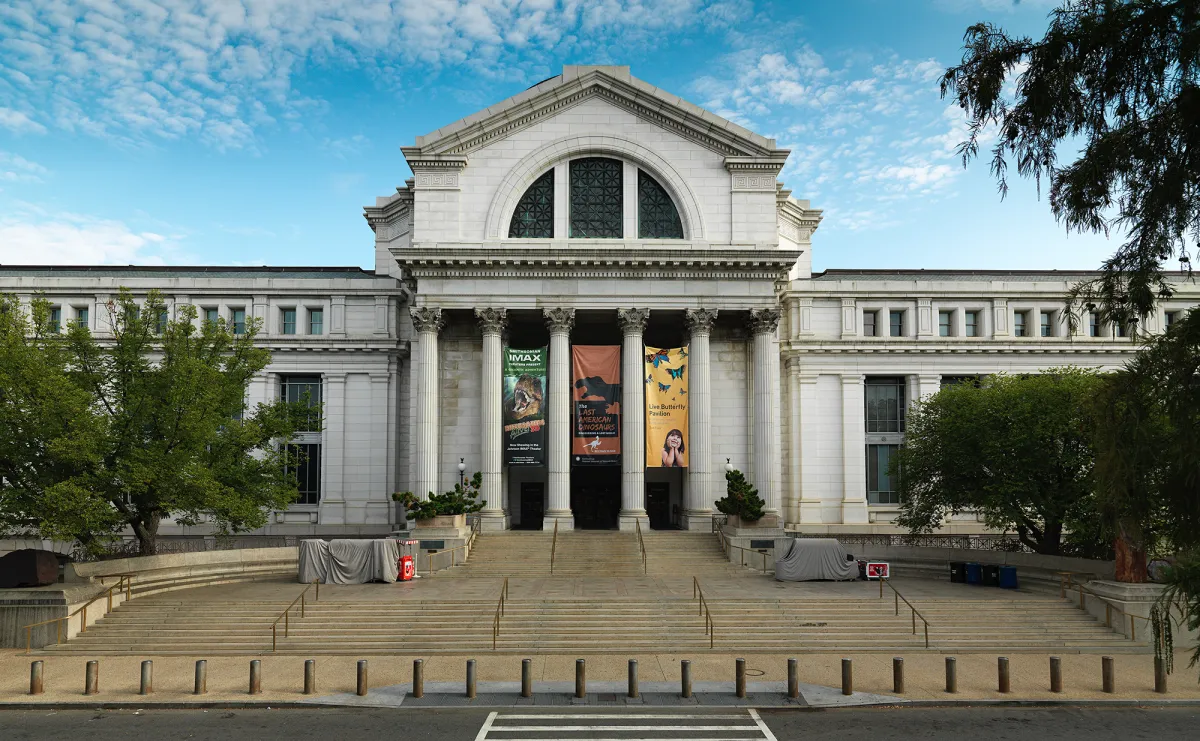 Photo: Smithsonian Institution, via www.si.edu
The books are now part of a small exhibit on unusual diplomatic cases, where they sit behind glass with a placard explaining how library late fees nearly created an international incident. Visitors often assume the story is fictional until they see the actual diplomatic correspondence displayed alongside the books.
Patricia Reynolds kept copies of all the case files and later used them in law school lectures about the unexpected complexities of international law. "It's a perfect example of how the real world doesn't fit neatly into legal categories," she would tell her students. "Sometimes a library book is just a library book, and sometimes it's a test of diplomatic immunity. The law has to be flexible enough to handle both."
The Legacy of Late Fees
The Henriksen case, as it came to be known in diplomatic circles, led to several quiet changes in how both libraries and diplomatic missions handle borrowed materials. Most public libraries now include clauses in their borrowing agreements specifically addressing diplomatic immunity, while diplomatic missions have been advised to conduct periodic audits of their archives to identify any civilian property that might have been accidentally absorbed over the years.
Margaret Kowalski retired from the Milwaukee Public Library in 1995, but she kept a copy of the diplomatic correspondence from the Henriksen case on her office wall. "Thirty years of overdue notices," she would tell visitors, "and the one that finally got results started an international incident. I guess that's what you call job satisfaction."
The case remains unique in the annals of both library science and international law—proof that sometimes the most mundane bureaucratic tasks can reveal the most extraordinary gaps in how we organize our world. As one State Department memo noted, "If a library book can accidentally become diplomatic property, we probably need to think more carefully about what else might be slipping through the cracks."