One Cow, Two Countries: How a Stubborn Texas Rancher Accidentally Created Modern Border Law
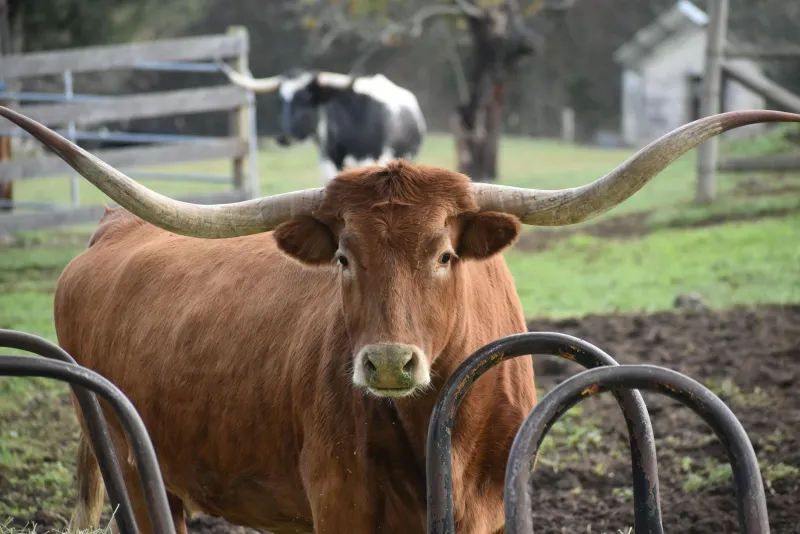
The Great Cow Caper of 1895
Ezra Coleman was not a man who gave up easily, especially when it came to his livestock. So when Mexican cattle rustlers made off with his prize Hereford bull in the summer of 1895, the Texas rancher didn't hesitate to saddle up and ride across the Rio Grande to get his property back. What happened next would trigger one of the most absurd diplomatic incidents in American history and accidentally force Congress to write the first comprehensive rules about what happens when American citizens cross international borders without permission.
 Photo: Ezra Coleman, via cache.legacy.net
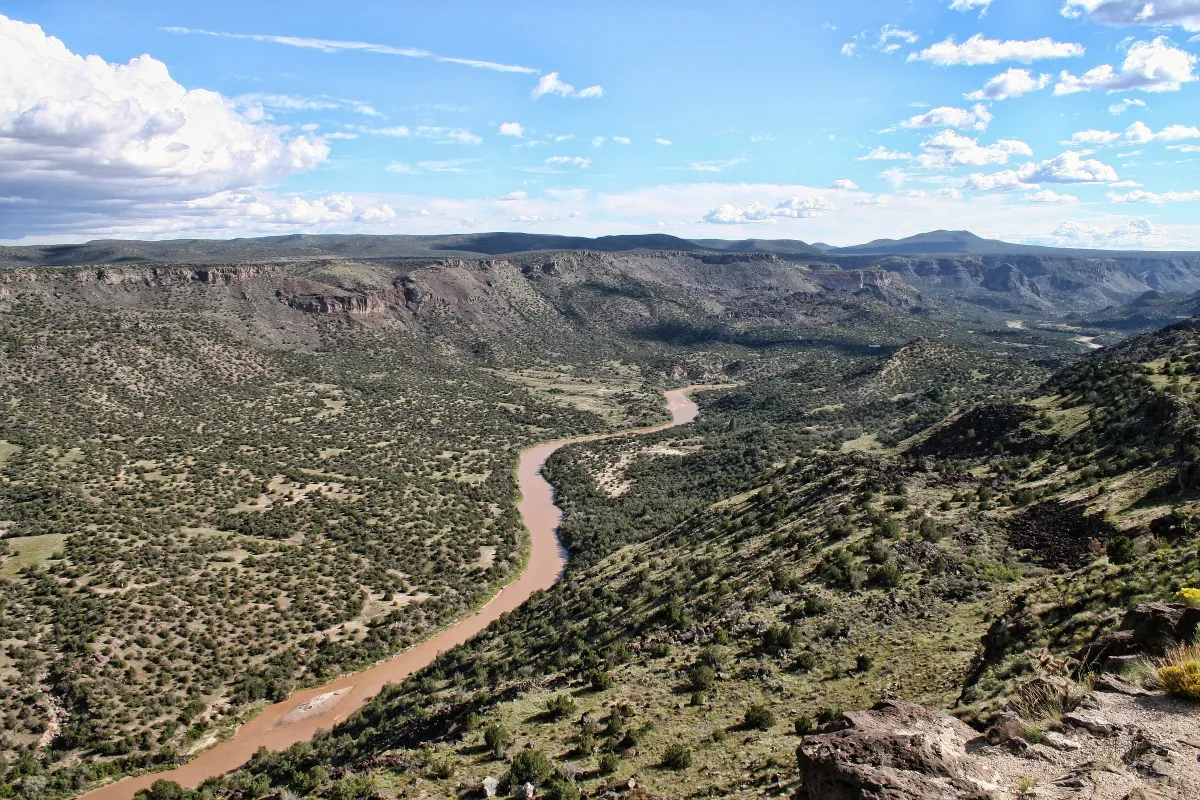 Photo: Rio Grande, via ugc.naturalatlas.com
Coleman's ranch sat just north of Laredo, in an area where the border was more of a suggestion than a hard line. Cattle wandered back and forth across the Rio Grande regularly, and local ranchers on both sides had informal agreements about retrieving strays. But Coleman's bull hadn't wandered—it had been deliberately stolen by a group of Mexican rustlers who had been raiding Texas ranches for months.
When Stubbornness Meets Sovereignty
Coleman tracked the rustlers to a ranch about twenty miles south of the border, where he found his bull penned up with several other stolen cattle. The Mexican ranch owner, Diego Vásquez, claimed he had purchased the animals legitimately and refused to return them. Coleman, whose Spanish was limited but whose determination was not, attempted to simply take his bull and leave.
That's when the local Mexican authorities arrived. Coleman was arrested for cattle theft, trespassing on Mexican soil, and—most importantly—entering Mexico without proper documentation. The charges seemed straightforward enough, except for one problem: there was no clear legal framework for what to do with American citizens who crossed the border unofficially.
The U.S. consul in Nuevo Laredo, James Morrison, received word of Coleman's arrest and immediately contacted the State Department. What should have been a routine diplomatic matter quickly revealed a glaring gap in American law. The United States had no formal policy governing citizens who crossed international borders without authorization, no standard procedure for securing their release, and no clear guidelines about when such border crossings constituted a federal offense.
Bureaucratic Pandemonium
Secretary of State Richard Olney found himself in the unusual position of having to improvise international law. The Mexican government was perfectly within its rights to arrest Coleman, but they were also asking reasonable questions: Was Coleman acting as a private citizen or as an unofficial agent of the U.S. government? Should his case be handled through diplomatic channels or local courts? And what exactly were the rules about Americans who took matters into their own hands in cross-border disputes?
The situation became even more complicated when Coleman's story hit the newspapers. The idea of a Texas rancher being held prisoner in Mexico over a single cow captured the public imagination, and suddenly politicians were under pressure to "do something" about the case. Senator Roger Mills of Texas demanded immediate action, while Senator George Vest of Missouri argued that Coleman had brought his troubles on himself by violating Mexican sovereignty.
Meanwhile, Coleman remained in a Mexican jail, reportedly more concerned about his bull than his legal predicament. According to contemporary newspaper accounts, he spent his time writing letters to his wife describing the poor conditions of Mexican cattle ranches and complaining that his bull was losing weight.
The Law That a Cow Built
The Coleman case forced Congress to confront a fundamental question: what were the rights and responsibilities of American citizens abroad? The Constitution was clear about the rights of citizens within U.S. borders, but it said nothing about what happened when Americans got themselves into trouble in foreign countries.
After three months of diplomatic negotiations, Mexico agreed to release Coleman in exchange for a formal apology and a promise that the United States would create clear procedures for handling similar cases in the future. Coleman returned to Texas in November 1895, minus his bull but plus a place in legal history.
True to their promise, Congress passed the International Border Transit Act of 1896, the first comprehensive law governing American citizens who crossed international borders. The act established that unauthorized border crossings were a federal offense, created procedures for diplomatic intervention when Americans were arrested abroad, and set up a framework for resolving cross-border disputes that didn't involve the military.
The Ripple Effect
The precedents established by the Coleman case had far-reaching consequences. The legal framework created in response to his cow-stealing adventure became the foundation for modern immigration and border security law. The principle that American citizens abroad remained subject to both local laws and U.S. oversight shaped diplomatic policy for decades.
The case also established the precedent that private property disputes could not justify unauthorized border crossings, a principle that would become increasingly important as the border became more heavily regulated in the 20th century. Legal scholars trace several major Supreme Court decisions about citizenship and international law back to arguments first developed during the Coleman case.
The Bull That Started It All
As for Coleman's bull, it lived out its days on Diego Vásquez's ranch in Mexico, apparently unbothered by the international incident it had caused. Coleman never got his property back, but he did receive $500 in compensation from the Mexican government as part of the diplomatic settlement—considerably more than the bull was worth.
Coleman returned to ranching and reportedly never crossed the border again. He died in 1923, probably unaware that his stubborn pursuit of a single stolen animal had helped create the legal framework that would govern American border policy for the next century.
The irony wasn't lost on contemporary observers. As one newspaper editorial noted, "It took a Texas rancher and his missing bull to teach Congress that America needed rules about Americans abroad. One can only wonder what other gaps in our laws remain undiscovered, waiting for the right combination of stubbornness and circumstance to reveal them."
Today, every time an American citizen applies for a passport, registers with an embassy abroad, or gets arrested in a foreign country, they're operating under legal principles that trace back to Ezra Coleman's ill-fated cattle rescue mission. It's a reminder that some of the most important laws in American history began not with grand constitutional debates, but with ordinary people making extraordinary decisions—even if those decisions involved chasing stolen livestock across international borders.