The Day a Soup Company Bought a Town's Soul — and Couldn't Give It Back
A Town So Desperate It Sold Its Own Name
There's a particular kind of desperation that only exists in small-town America. The factory closes. The young people leave. The diner shuts down. And then someone from a marketing department shows up with a checkbook and an idea so absurd that the town council actually says yes.
That's roughly what happened to Halfway, Oregon, in 1998, when the startup Half.com convinced the community to rename itself after a dot-com company in exchange for computers, cash, and a fleeting moment of national attention. The stunt worked. Halfway became Half.com, the press went wild, and the startup got more publicity than a Super Bowl ad could have bought.
 Photo: Super Bowl, via media.bolavip.com
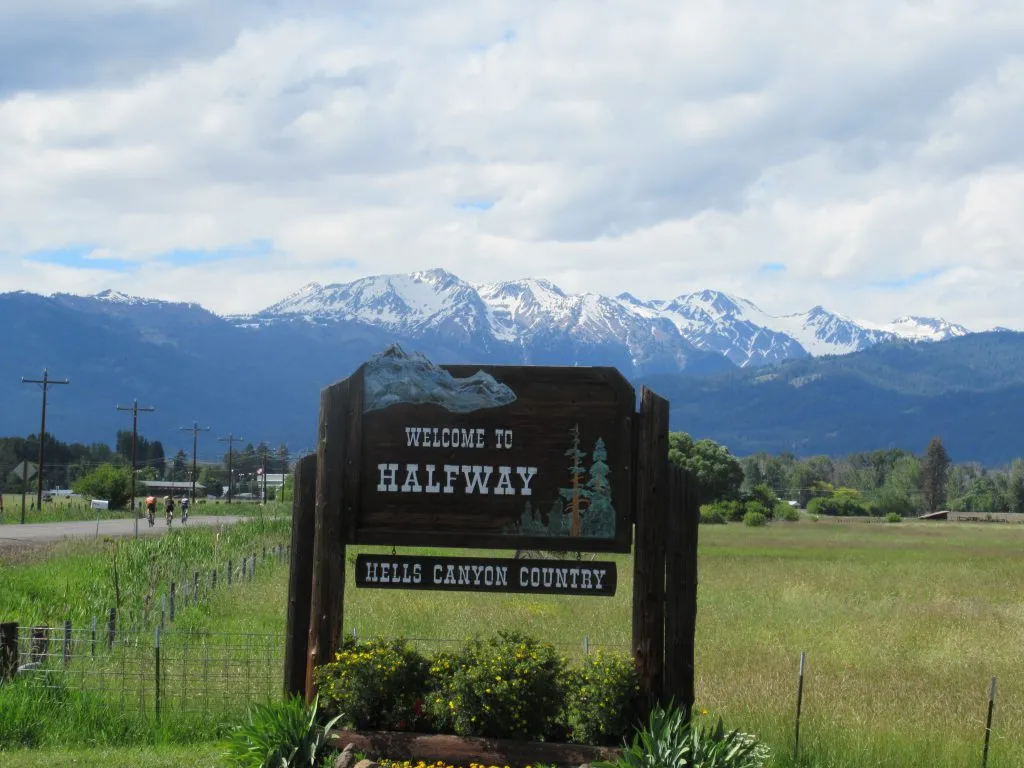 Photo: Halfway, Oregon, via www.cycleoregon.com
But Halfway wasn't the only town that played this game. And the one that came after it didn't get nearly as clean an exit.
Chicken Noodle and Civic Identity: A Dangerous Combination
In 2000, riding the wave of publicity that Halfway had generated, a small community in rural Ohio — population just under 800 — entered into an informal promotional agreement with a regional soup manufacturer looking to expand its brand presence in the Midwest. The details of the deal were handled by the county, not a full city council, which turned out to be the first of many problems.
The town agreed to append the soup company's brand name to its official municipal signage, incorporate the brand into its welcome materials, and — here's where things got genuinely strange — formally petition the state to recognize the name change in county records. In exchange, the company promised a cash infusion, a renovation of the town's community center, and annual sponsorship of the local harvest festival.
The state, apparently charmed by the novelty of it all, approved the paperwork.
For about eighteen months, the town had a new official name. Road signs were reprinted. The post office issued a formal complaint, then backed down. Local kids went to a school whose letterhead featured a soup brand. It was, by most accounts, deeply weird — but also kind of fun.
Then the soup company got acquired.
When the Brand Becomes Someone Else's Property
This is the part that nobody thought to put in the contract.
When a larger food conglomerate bought the regional soup brand in 2002, every piece of intellectual property — every trademark, every licensing agreement, every promotional deal — transferred along with it. Including, buried somewhere in the fine print of a marketing budget from two years earlier, the agreement with a small Ohio town.
The new parent company had no interest in sponsoring a harvest festival in rural Ohio. They did, however, have a very strong interest in controlling how their newly acquired trademark appeared in public. And a town with that name on its official county records was, legally speaking, using their trademark without current authorization.
What followed was not a lawsuit, exactly. It was something stranger: a prolonged bureaucratic standoff in which a multinational food corporation and a town of 800 people argued, through lawyers and county administrators, about who had the right to be called what.
The town couldn't simply revert to its old name without going back through the state approval process — which took time and money. The corporation couldn't force a municipality to change its name — that's not really how American law works. And nobody had written a statute covering this situation because, genuinely, nobody had imagined it would ever come up.
The Lawyers Who Had No Playbook
Legal scholars who later examined the case described it as a genuinely novel problem. Municipal naming rights exist in a strange gray zone in American law. A town's name is, in a technical sense, a form of public identity — it appears on legal documents, tax records, court filings. It's not a trademark in the commercial sense. But it's also not entirely free of trademark implications when it directly mirrors a registered commercial brand.
The corporation argued that the town's continued use of the name — even on road signs — constituted unauthorized trademark use that could dilute their brand. The town's attorney argued that a municipality cannot infringe on a trademark simply by existing under a name that a state government had formally approved.
Both arguments had merit. Neither had clear precedent.
The case was eventually resolved through a negotiated settlement in which the corporation paid the town a modest sum to cover the administrative costs of reverting to its original name, and both parties agreed not to discuss the terms publicly. The town got its old name back. The soup company got its trademark unencumbered. And the lawyers got billable hours that probably exceeded the value of the original deal by a comfortable margin.
What a Town's Name Is Actually Worth
The Halfway story is the one that gets told at marketing conferences and in business school case studies about guerrilla branding. It's clean, it's funny, and it ended well.
The Ohio story is the one that gets told in law school, in courses about intellectual property and municipal governance, as a cautionary example of what happens when nobody reads the contract carefully enough.
But there's something genuinely fascinating underneath both stories — a question about what a town's name actually means to the people who live there. For the residents of Halfway, the name change was a lark, a joke they were all in on together. For the Ohio community, it started that way too. But when the corporation came calling, something shifted. The name suddenly felt like something worth fighting for — not because it was the soup company's name, but because it was theirs.
Identity, it turns out, is a lot harder to sell than a town council realizes. And a lot harder to buy back than a corporation expects.
The road signs are back to normal now. The harvest festival still runs every fall, self-funded and sponsor-free. And somewhere in a filing cabinet in a county records office in Ohio, there's a two-year window in the official history where a small American town was legally named after a can of soup.
That actually happened.